6,286 shelter beds
Created or maintained through state emergency programs since 2023.
Oregon Forward · The Homeless Crisis
Governor Kotek’s administration can count beds, programs, and press releases. What Oregonians still see is a growing crisis — and leadership that is not treating it like the emergency it is.
What they claim
Oregon has spent significant money responding to homelessness. Those numbers should be acknowledged. They are not a success story — and they are not enough.
Created or maintained through state emergency programs since 2023.
People moved from unsheltered homelessness into housing.
Received prevention assistance — help before they lost housing.
Beds were added. People were helped. The crisis still grew. Leadership did not match the scale of the emergency.
Acknowledge the work. Demand results. Press releases count activity. Oregonians live with the outcome — and the outcome is still failing.
The record
In the 2025 statewide count, 27,119 Oregonians were experiencing homelessness. More than 16,500 were still unsheltered. Shelter access rose nearly 50% versus 2023 — yet Portland State University researchers found overall homelessness continued to rise, driven by the affordable-housing shortage and economic pressures. That is not a plan that is working.
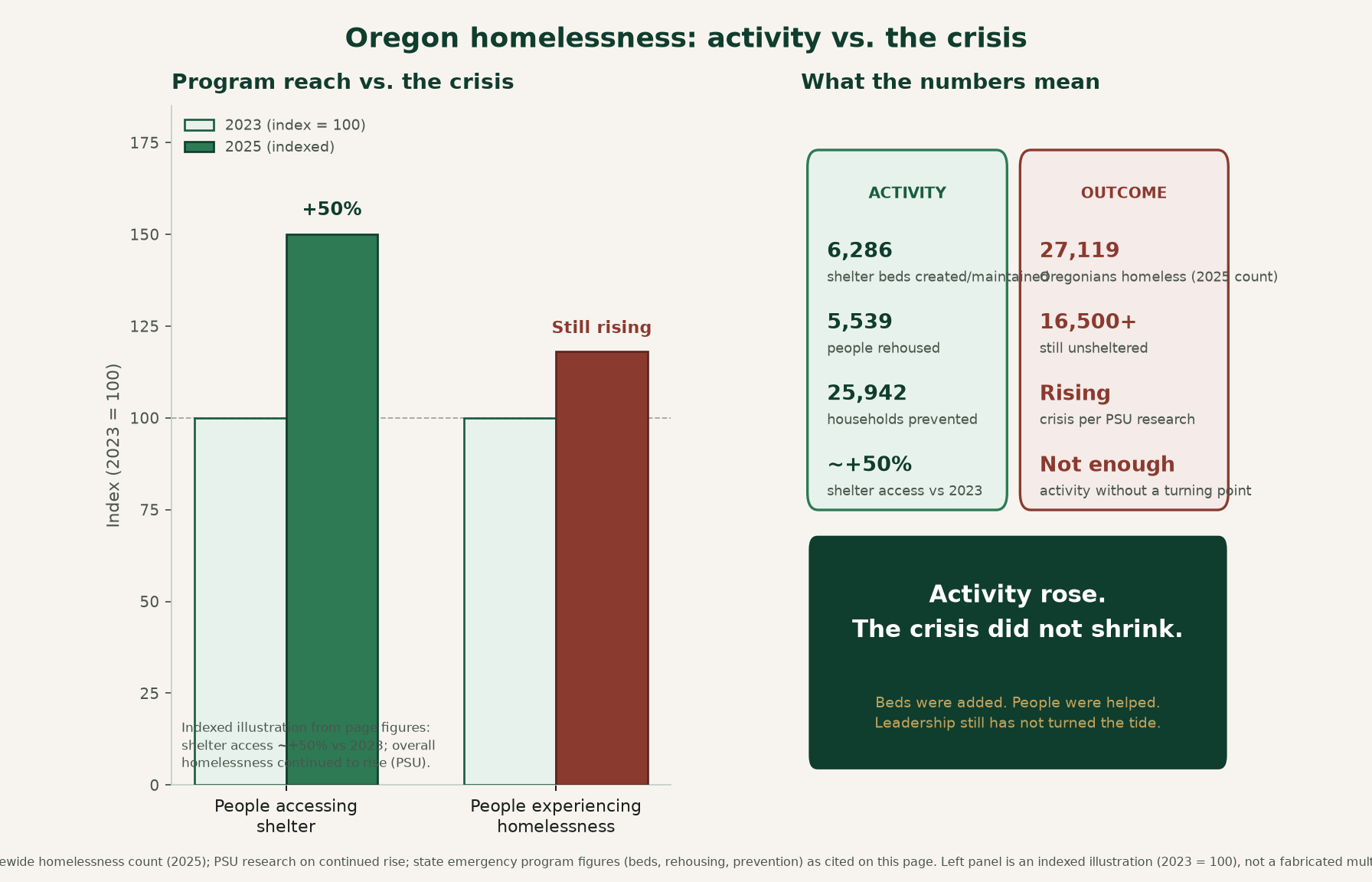
That is the gap this administration has refused to close. It is the gap I will not accept.
What Oregonians see
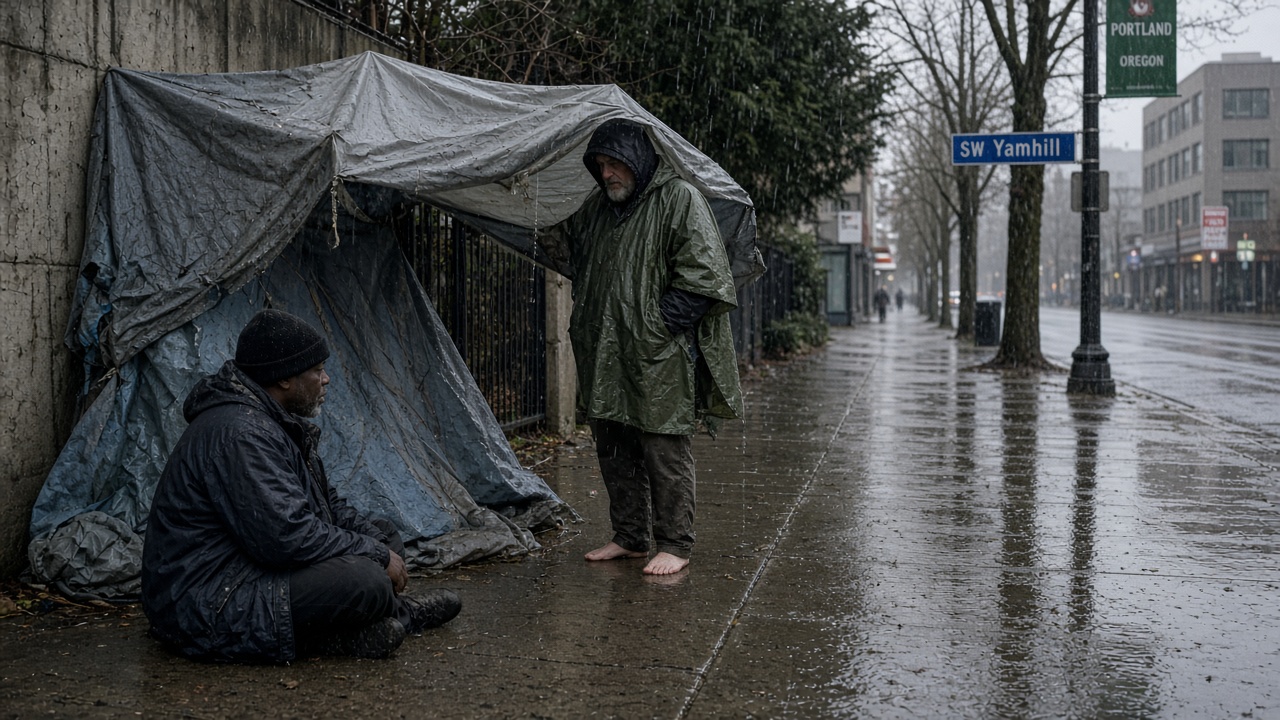
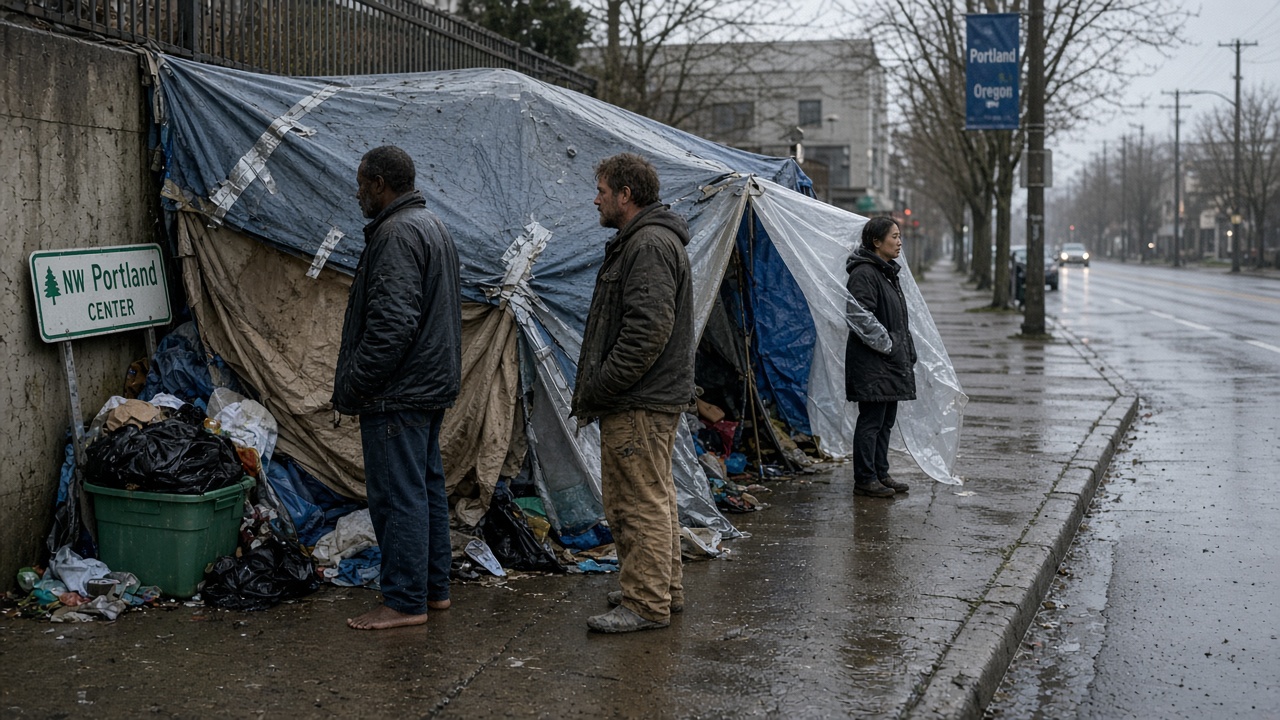
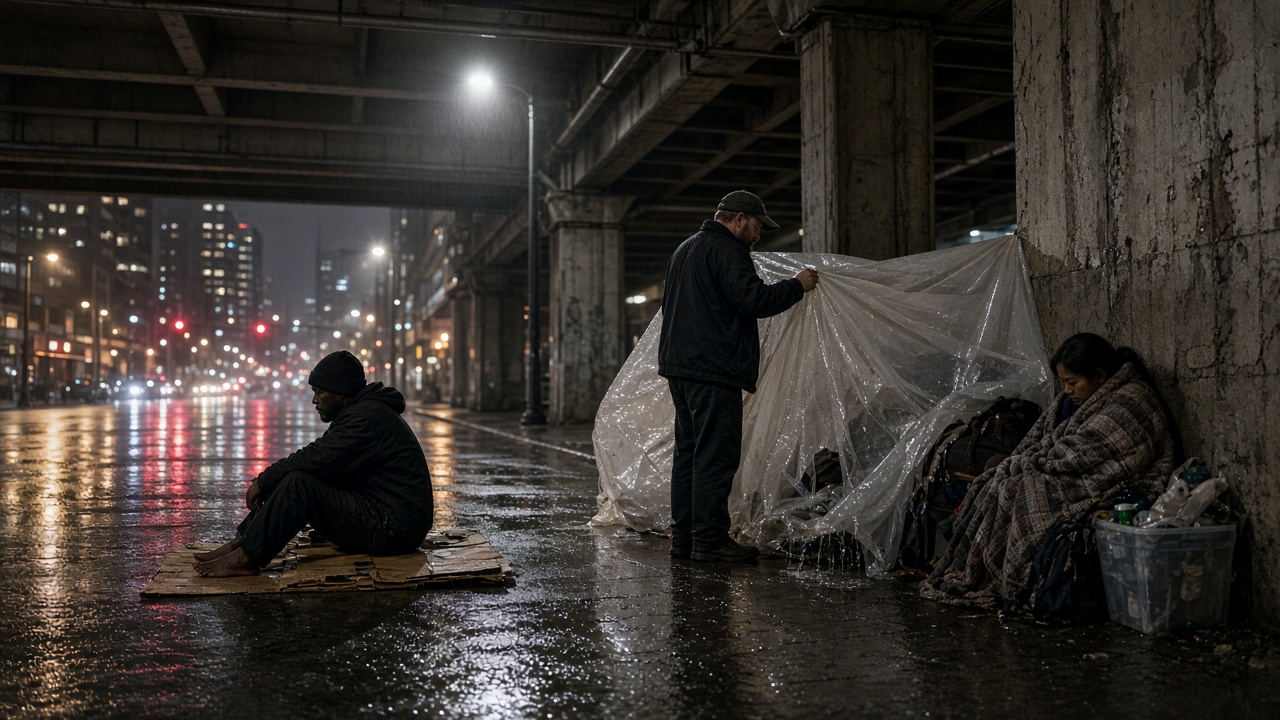
Documentary scenes from Portland streets: people living outside in the rain, some without shoes, beside leaky tents. The point is the human cost — and the gap between program counts and what Oregonians walk past every day.
Portland & Multnomah
The regional homelessness system has helped thousands into housing and shelter — yet its own reporting shows new people continue entering homelessness faster than others leave it. Meanwhile, local budgets are cutting the very capacity people need. Statewide leadership that settles for activity while local systems retreat is not enough.
Multnomah County’s budget phases out these beds — plus 90 family shelter vouchers.
Portland’s adopted 2026–27 budget cuts shelter spending by this amount.
Street-outreach spending cut in the same Portland budget.
Closing shelter and cutting outreach while inflow outpaces outflow is not a strategy. Neighborhoods pay the price.
Community partners
This is exactly when Oregon should be strengthening the groups already doing the work — not leaving them to wonder whether essential services survive the next budget cycle.
Blanchet House served more than 384,000 meals in its 2024–25 fiscal year — and reported losing more than $400,000 in county support for food and supportive services. Proven partners should not be forced to absorb the retreat.
We need programs that actually help people — and we need them funded like the priority they are.
What I will do
My approach is different. I will rise to this, and I will resource it — dignity for people on the street and safety for the neighborhoods around them. Those are not opposing goals. Activity without results is not compassion. It is delay.
Meals and basic necessities as a floor, not a favor.
A realistic path back into stable housing — not year after year on the sidewalk.
Behavioral health, addiction recovery, and neighborhoods people can actually live in.
Food. Shelter. Safety. Treatment. Human connection. A path back into housing. Those are not luxuries — they are the foundation from which people rebuild their lives.
A person sleeping outside is still an Oregonian. A veteran struggling with addiction is still an Oregonian. A mother looking for shelter, a teenager without stable housing, or someone experiencing psychosis on a sidewalk does not become less worthy of dignity because their life has fallen apart. Leaving them there, year after year, is not compassion. It is neglect — and it leaves everyone less safe.
Governor Kotek has had the office, the money, and the time. Program activity went up. The crisis did not shrink. Oregonians are living with the consequences. I will treat this crisis like the emergency it is, fund the programs that help people, and make our communities safer while we do it. Eduardo Hernandez for Oregon Governor — 2030.
Care & safety
Questions about housing, homelessness, or the plan? Eduardo wants to hear from you.
Or call (303) 875-9780. Back to the full platform · Nuclear Power · Space Force.